top of page


The magazine that analyzes the power of Mexican municipalities in the economy, governance and Mexico's relationship with the world.


Municipal security. The challenge no mayor can delegate
Public safety is often discussed as if it were a distant responsibility: the federal government’s, the armed forces’, prosecutors’, or state police departments’. But for citizens going to work, waiting for public transportation, opening a business, crossing a plaza, or letting children walk to school, safety is not measured in national speeches. It is measured in the municipality. That is the first mistake many local governments make: assuming violence is too large to be addr

Editorial
9 hours ago4 min read


Municipalities Without Water. The Economic Cost of Governing Only for the Short Term
The water crisis is no longer a problem of pipes alone: it now defines which municipalities can attract investment, organize housing, protect public health and remain viable. Water Has Entered the Municipal Balance Sheet A municipality can inaugurate streets, announce investment, approve new subdivisions and boast about urban growth. But if it cannot guarantee water, every other promise becomes fragile. The water crisis is no longer a technical matter hidden inside local util
Editorial
Jun 164 min read


The World Cup Will Not Be a Celebration if Cities Do Not Work
This week’s conversation left a clear thesis: the 2026 World Cup will be a public audit of the real capacity of Mexican municipalities. Mexico talks about the 2026 World Cup as a sports celebration. But the most important conversation of the week was different: the tournament will be a test of municipal capacity. During five days, interAlcaldes approached the World Cup from different angles: local governance, sports tourism, mobility, security, public space, global projection
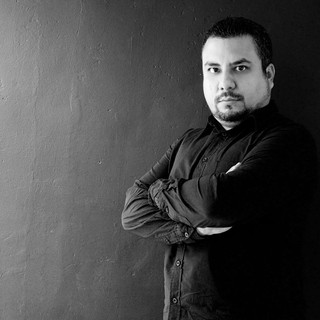
Salvador Ordóñez Toledo
Jun 73 min read


Mexico 2026. The World Cup will test municipalities, not just stadiums
Mexico talks about the 2026 World Cup as a sports celebration. Municipalities should see it as something more demanding: a test of institutional capacity. The tournament will not only test whether the country can host matches. It will test whether its cities can operate under pressure. A World Cup does not happen only inside a stadium. It happens in streets, airports, avenues, hotels, restaurants, historic districts, transit systems, police operations, cleaning services and p
Editorial
Jun 13 min read


Monterrey and Tokyo. What cities can learn from population aging
Monterrey should not wait until it ages to discover that its city was designed for young adults with cars. Population aging is often treated as a matter of pensions, hospitals or social programs. That reading is incomplete. When a city ages, everything changes: mobility, housing, employment, consumption, public space, health, security, care and the way territory is governed. Tokyo is an extreme but useful mirror. In 2025, Japan reached nearly 29.4% of its population aged 65 a
Editorial
May 203 min read


Retirement savings accounts for children. Not a product, but a culture of the future
Mexico talks about retirement when it is already late. The conversation usually arrives when a person is already working, already in debt, already distrustful of taxes, already spending without method or already discovering that their future pension will not be enough to sustain the life they imagine. Then come campaigns, simulators, savings advice and calls for individual responsibility. The problem is that a culture of foresight cannot be improvised at age 40. It is formed
Editorial
May 194 min read


What Milan resolved and Querétaro is still debating
Queretaro can no longer celebrate growth without explaining how it will govern it. For years, the city became one of the most cited references of Mexican development: industry, housing, universities, services, relative security, arrival of companies and a narrative of order. But every fast-growing city faces a second test. Attracting is no longer enough. It must sustain. That is where Milan becomes an uncomfortable mirror. Not because Queretaro should look like Italy, nor bec
Editorial
May 184 min read


bottom of page