


México Factible: Nuestro País Ya No Puede Vivir de Diagnósticos
- Editorial

- Apr 24
- 6 min read
Updated: May 25
México no necesita otra generación de diagnósticos impecables. Necesita convertir la visión estratégica en decisiones económicas, acuerdos institucionales y resultados medibles.
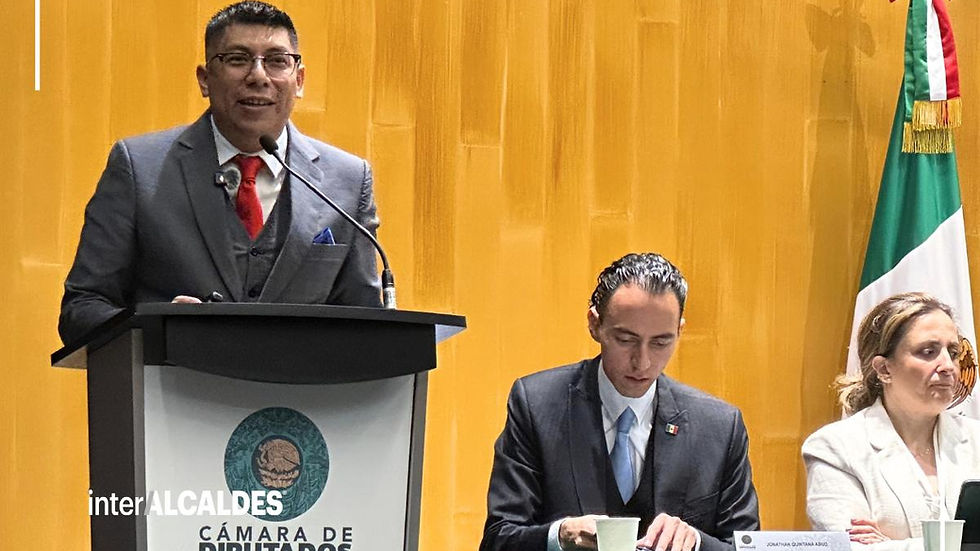
Esa fue la tensión subyacente que dejó el Foro México Factible, celebrado el jueves 23 de abril de 2026, en la Cámara de Diputados en San Lázaro, dentro del Auditorio Aurora Jiménez. El evento se presentó como un puente entre la visión estratégica y la acción económica, pero su valor no radicó solo en reunir a oradores. Su verdadera fuerza fue plantear una pregunta incómoda para el país: ¿por qué México entiende tan a menudo sus oportunidades, pero tarda tanto en ejecutarlas?
La respuesta no se ajusta a una sola presentación. Está relacionada con políticas públicas, negocios, talento, regulación, confianza, inclusión, productividad y territorio. México tiene ideas. Tiene emprendedores. Tiene especialistas. Tiene jóvenes preparados. Tiene ubicación geográfica. Tiene integración con América del Norte. Lo que aún le falta es una arquitectura más efectiva para convertir todo eso en acción económica.
La Economía Necesita una Puerta Institucional
La presencia de Marco Antonio Gómez, asesor político y promotor del foro, otorgó al evento una dimensión institucional importante. Su papel no debe leerse solo como el de un convocador, sino como el de un articulador de una conversación que necesita cruzar la frontera entre el discurso económico y la toma de decisiones públicas.
El hecho de que el foro se llevara a cabo en San Lázaro no fue un detalle logístico. La Cámara de Diputados representa el lugar donde las ideas deben medirse contra presupuestos, regulaciones, incentivos, leyes, acuerdos y responsabilidad política. Allí, la economía deja de ser una presentación atractiva y se convierte en una cuestión de gobernabilidad.
Puedes escuchar este artículo aquí:
Las ideas no transforman un país a menos que encuentren una institución capaz de ejecutarlas.
Ese es el primer mensaje que dejó México Factible: el país no puede seguir separando a quienes piensan en la economía de quienes toman decisiones públicas, empresariales y territoriales.
Ángel Francisco Moreno Alarcón y el Significado de lo Factible
La participación del Dr. Ángel Francisco Moreno Alarcón, CEO de Grupo Empresarial Factible, ayudó a colocar el concepto central del evento en un camino más concreto. Hablar de un México factible no significa hablar de un país idealizado. Significa hablar de un país que puede construir soluciones si conecta conocimiento, negocios, instituciones, talento y ejecución.
Esa diferencia importa.
Durante años, México ha confundido potencial con estrategia. El nearshoring, la digitalización, la economía del conocimiento, la educación financiera, el talento joven y la integración regional son oportunidades reales. Pero ninguna oportunidad se convierte en desarrollo por sí sola. Requiere método. Requiere continuidad. Requiere liderazgo empresarial y capacidad pública.
Grupo Empresarial Factible aparece en ese punto como un actor que busca abrir una conversación con sentido práctico: cómo pasar del análisis a la acción, del foro a una hoja de ruta de trabajo, de la idea a un modelo que pueda escalar.
La diferencia entre visión y estrategia radica en la capacidad de ejecutar.
El Entorno Económico No Esperará
La intervención de Carlos López Jones, Director de Tendencias Económicas, trajo una capa indispensable a la mesa: México se mueve dentro de un entorno económico complejo, no dentro de un modelo de buenas intenciones.
La inflación, las tasas de interés, la reubicación industrial, la competencia por inversión, las tensiones comerciales, la transformación tecnológica y la presión sobre el talento están redibujando la economía global. México tiene una posición privilegiada, pero no garantizada. La geografía ayuda; la ejecución decide.
Para los municipios, esta lectura es directa. La competitividad nacional no se juega solo en grandes discursos federales. Se juega en el permiso que se libera o se obstruye, en el parque industrial con agua o sin agua, en la carretera que conecta o aísla, en la ventanilla gubernamental que facilita o aleja la inversión, en la seguridad que permite las operaciones y en el talento que puede acceder a empleos de mayor valor.
México puede estar en el mapa del nearshoring. Pero eso no significa que todos sus territorios estén listos para capturarlo.
Esa es la advertencia, otros países no esperarán a que México ponga su casa en orden.
Puedes ver este artículo aquí:
Haciendo la Economía Comprensible para Decisiones Más Inteligentes
La participación de Delia Paredes Mier, economista, fortaleció el análisis técnico del foro. Su presencia ayudó a expandir la conversación hacia una lectura más seria de los riesgos, variables y condiciones económicas que influyen en la toma de decisiones.
Esa dimensión se unió a Monserrat Aldave, economista, quien representa una necesidad cada vez más urgente: hacer la economía comprensible sin volverla superficial. Cuando la economía permanece encerrada en un lenguaje técnico, los ciudadanos quedan excluidos. Cuando se simplifica en exceso, pierde profundidad. El desafío es traducirla sin distorsionarla.
Este punto es decisivo para México. Un país que no entiende sus variables económicas se expone a la improvisación, la retórica fácil y decisiones públicas que confunden la situación a corto plazo con la estrategia. La economía no puede ser el dominio exclusivo de especialistas. Debe convertirse en un lenguaje útil para gobiernos locales, empresas, legisladores, universidades, emprendedores y ciudadanos.
Porque las decisiones económicas no se toman solo en bancos centrales o ministerios de finanzas. También se toman en municipios que autorizan inversiones, en empresas que deciden si contratar, en familias que reorganizan sus ingresos y en comunidades que intentan sostenerse en medio de cambios tecnológicos, laborales y territoriales. Un país que no entiende su economía se vuelve vulnerable a que otros decidan por él.
La Economía Real También Vive en lo que Permanece Invisible
La dimensión social del foro no debe desplazar el eje económico. Debe completarlo.
La participación de Nataly Yesenia González, KAM en soluciones de salud; Cynthya Romero, entrenadora independiente en cripto y DeFi; Lily Bermejo, constructora de comunidades; Jaquelin Pulido, Directora General de Diseño y Publicidad Mexicana; y Lidise Lima, Gerente de Ecosistema, amplió la conversación hacia la salud, inclusión, comunidad, educación financiera, comunicación y construcción de ecosistemas.
Allí, apareció una verdad que México a menudo trata como secundaria: la economía también depende de condiciones que no siempre aparecen en indicadores tradicionales.


En México, había 9.5 millones de personas con discapacidad en 2024, lo que equivale al 7.3% de la población, según INEGI. La cifra importa porque convierte la inclusión en un tema de productividad, accesibilidad, talento, diseño institucional y competitividad, no solo de sensibilidad social.
Lo mismo ocurre con el trabajo no remunerado. La ENUT 2024 informó que las mujeres pasaron un promedio de 39.7 horas por semana en trabajo doméstico, de cuidado y voluntario, mientras que los hombres pasaron 18.2 horas. Esa brecha de 21.5 horas no es una estadística doméstica: es una señal económica. Millones de horas sostienen hogares, trabajadores y comunidades sin entrar completamente en la conversación productiva del país.
La inclusión, entonces, no reemplaza la agenda económica. La hace más real.
Un país que quiere crecer no puede dejar fuera a las personas con discapacidad, a los cuidadores, a los trabajadores invisibles, a las comunidades desconectadas o a los emprendedores sin educación financiera. No por corrección política, sino por eficiencia económica.
Una economía que no reconoce todo el trabajo que la sostiene está midiendo incorrectamente su propio futuro.
México Factible: Del Foro a la Consecuencia
La participación de Iván Escobedo Lemus, CCO de Grupo Empresarial Factible, se conectó con un desafío central: la escalabilidad. Si México Factible quiere trascender, no puede seguir siendo un evento bien convocado. Debe convertirse en metodología, comunidad, alianzas, seguimiento e indicadores.
Esa será la verdadera prueba.

El mensaje de cierre de Marco Antonio Gómez debe leerse a través de esa lógica: la conversación económica necesita consecuencia pública. México no puede seguir aplaudiendo diagnósticos si no construye luego los mecanismos para ejecutarlos.
El país ya sabe lo que necesita: certeza, inversión, talento, inclusión, infraestructura, seguridad, innovación, regulación inteligente y gobiernos capaces de operar con rapidez. Lo que falta es decidir quién asumirá el costo de hacerlo posible.
México Factible abrió una conversación necesaria. El verdadero desafío comienza ahora, demostrando que una idea bien convocada puede convertirse en una agenda capaz de mover decisiones.
Porque México no compite por tener mejores discursos. Compite por ejecutar antes que otros.
¿Está México preparado para convertir su visión económica en decisiones reales, incluyendo a quienes hoy sostienen la economía desde los márgenes, o seguirá llamando estrategia a una conversación que aún no ha aprendido a ejecutar?

Escrito por: Editorial



Comments